01Mutate
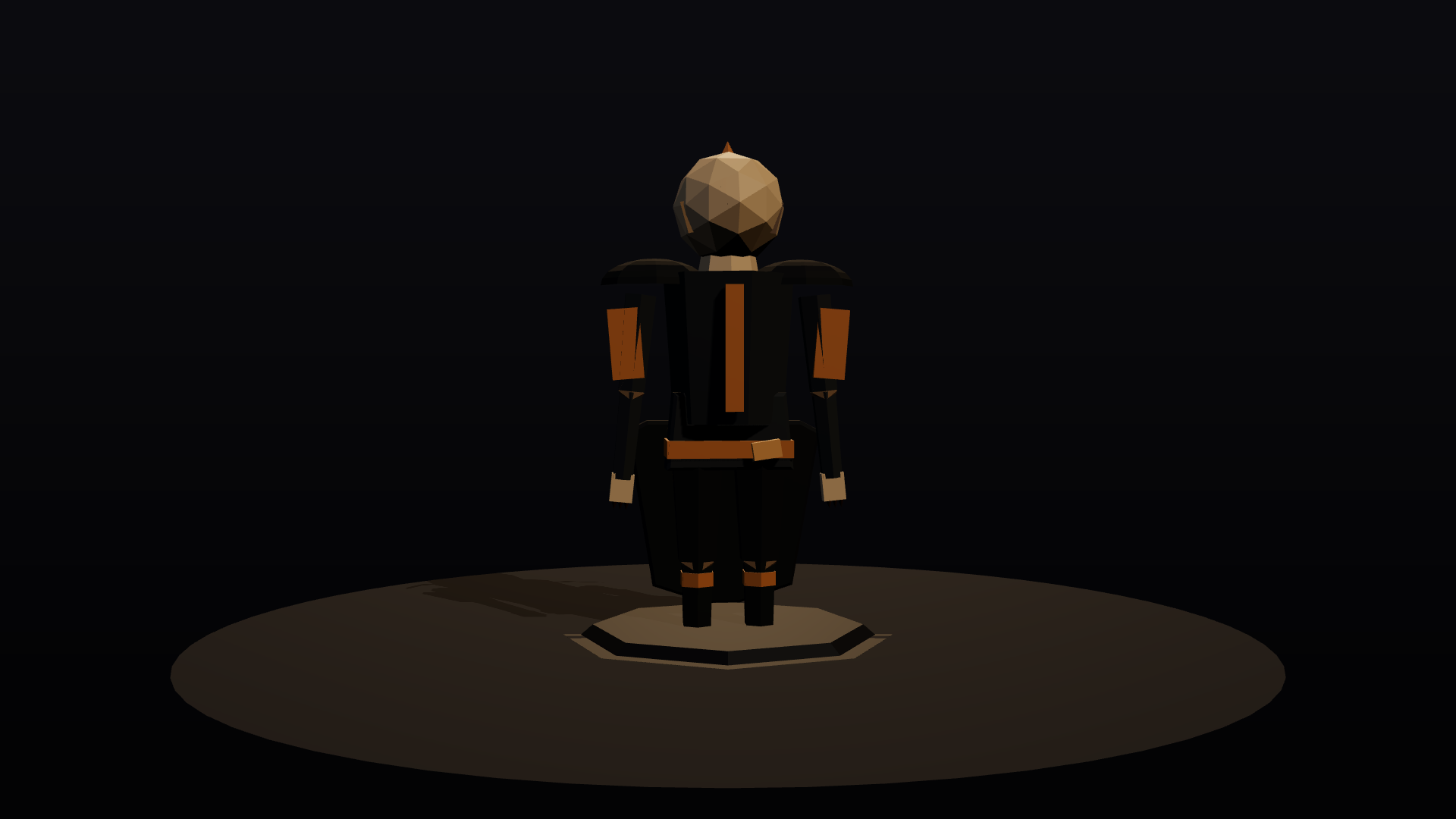
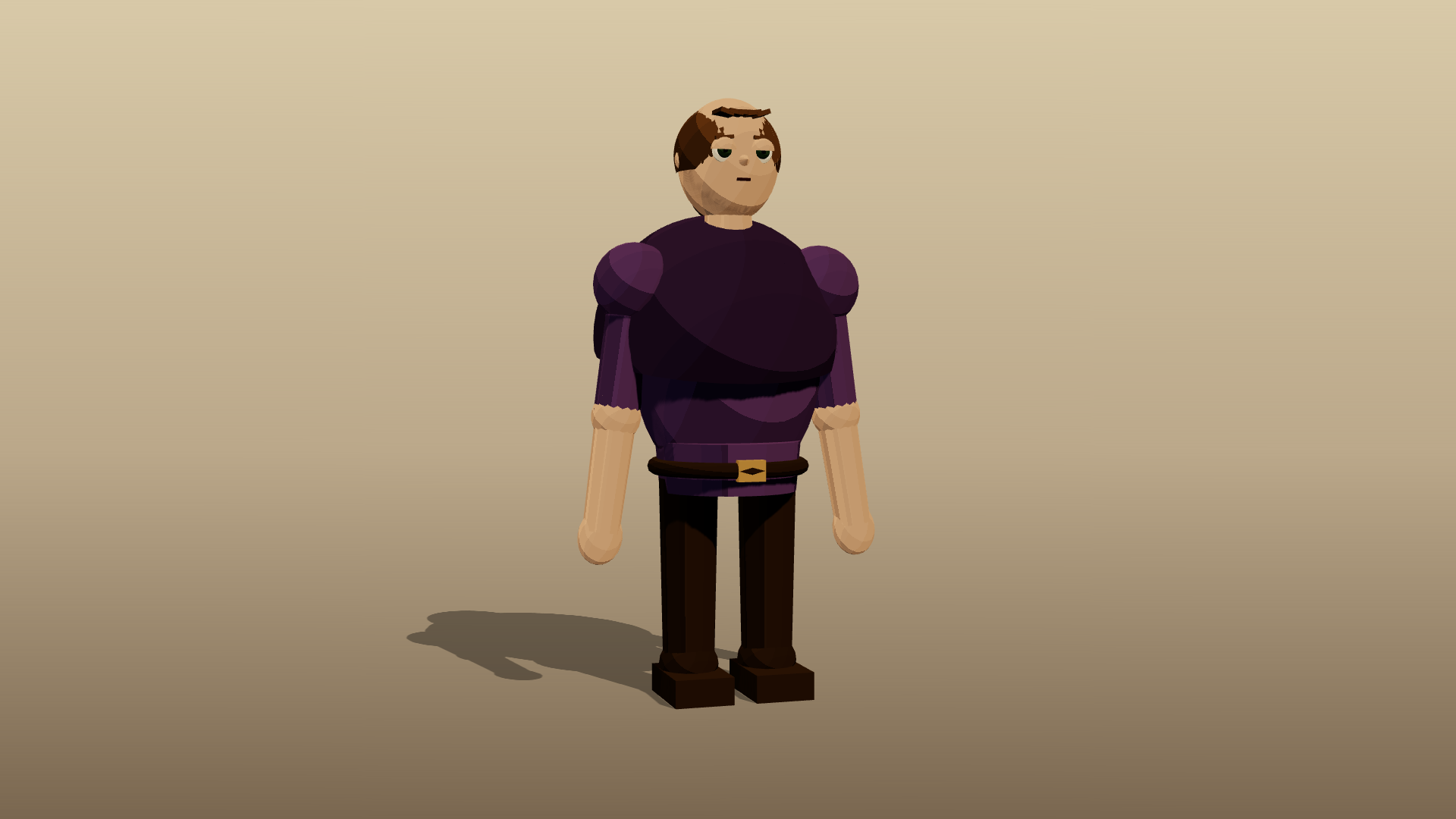
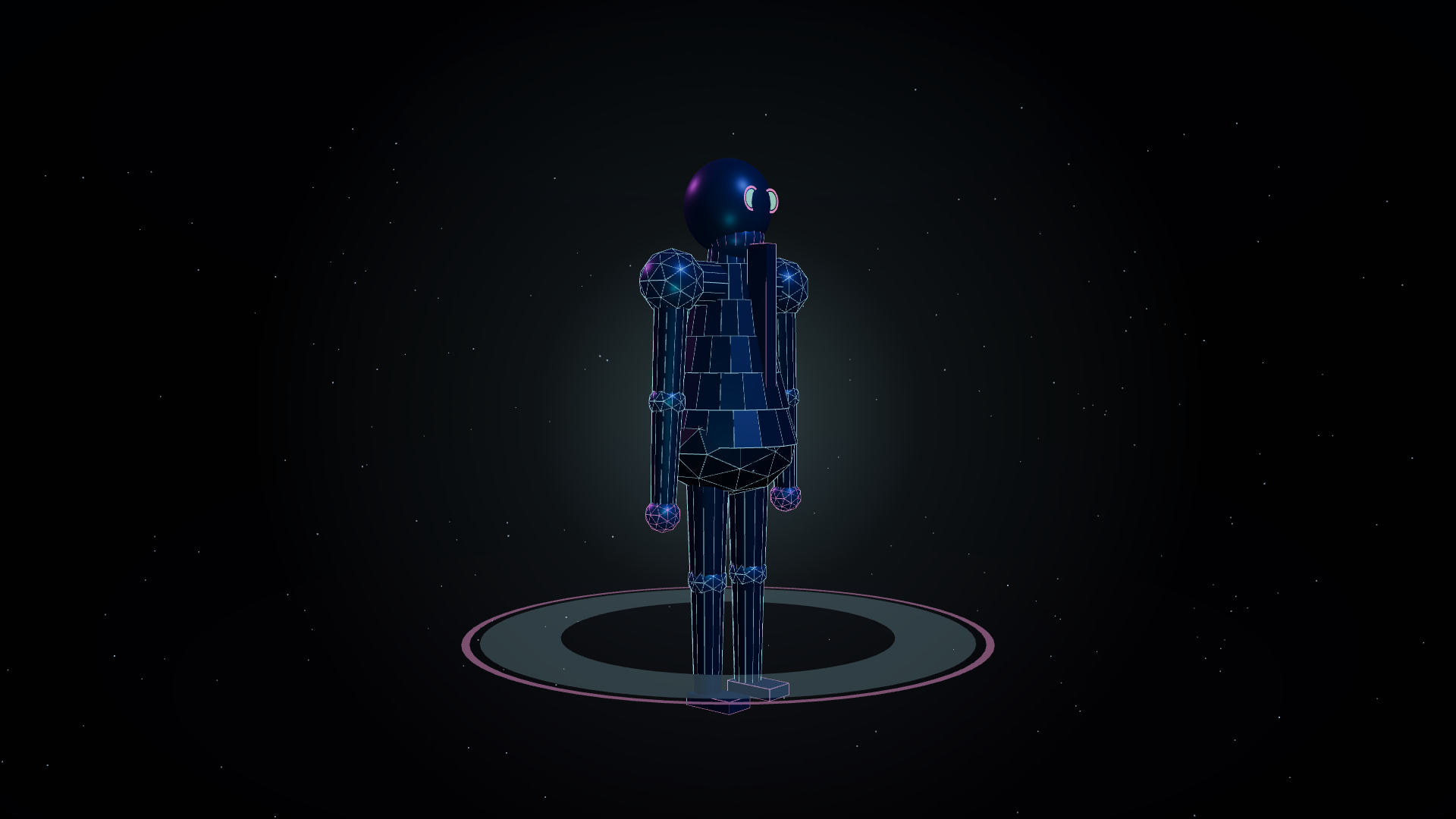
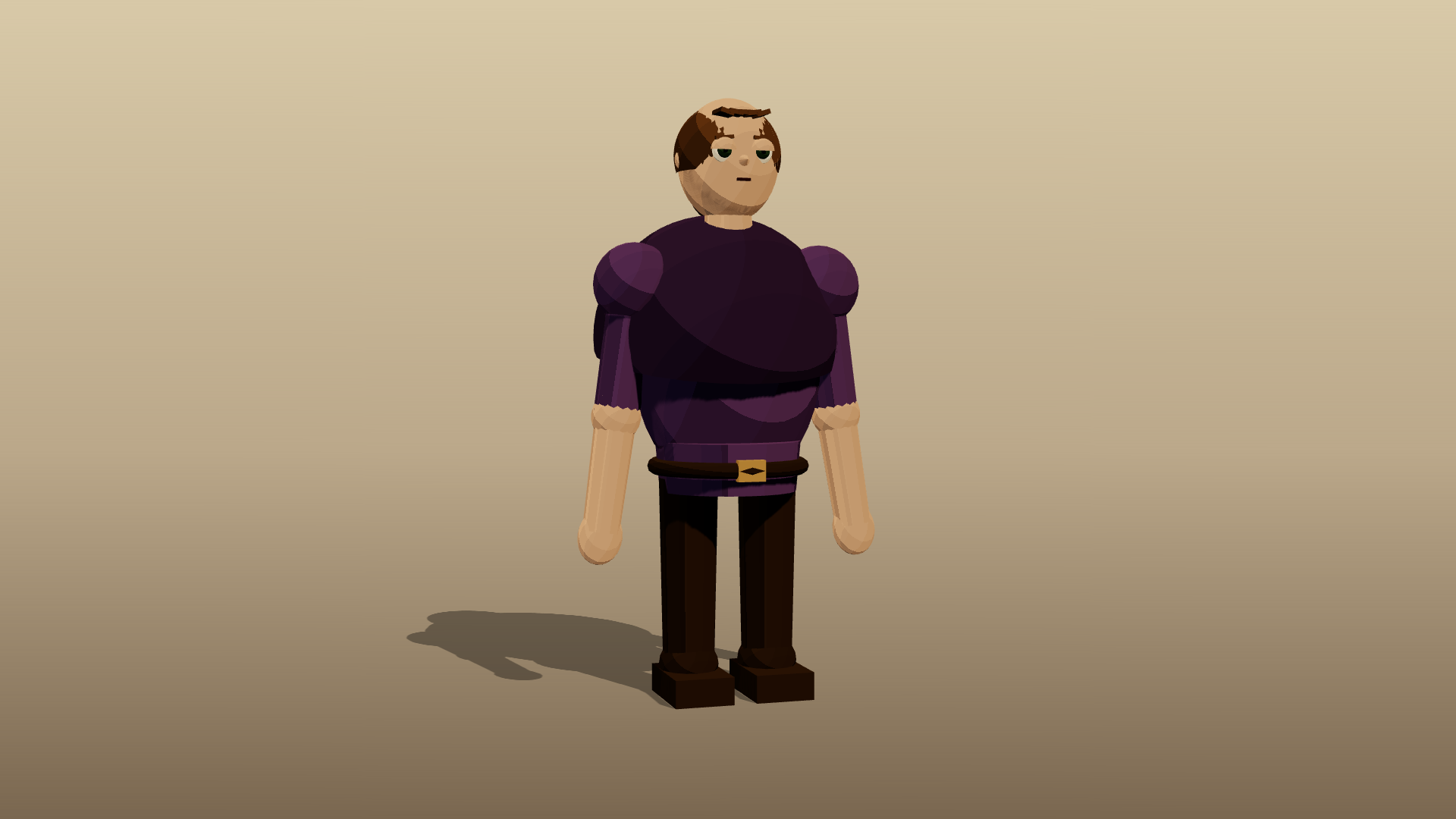
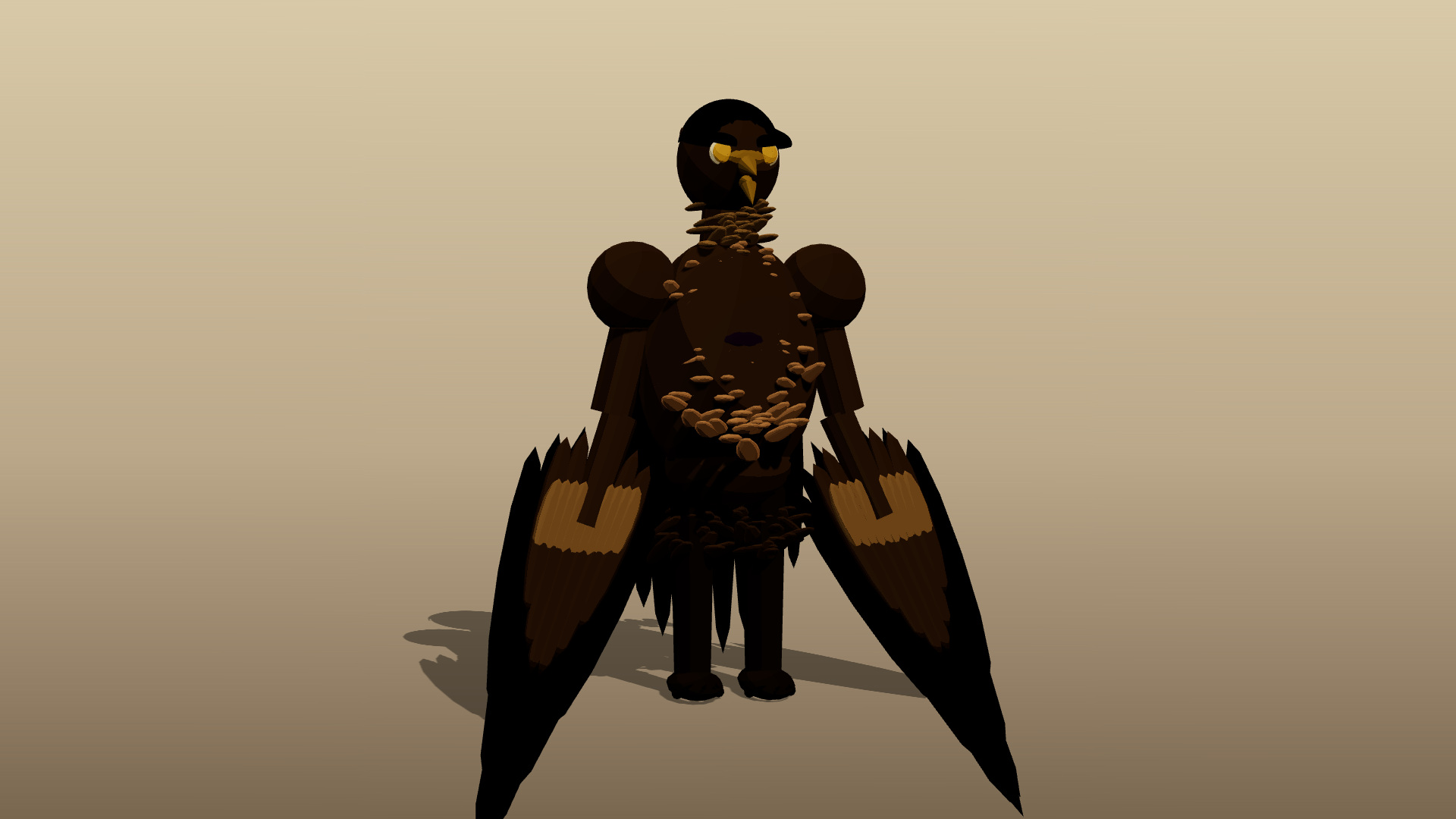
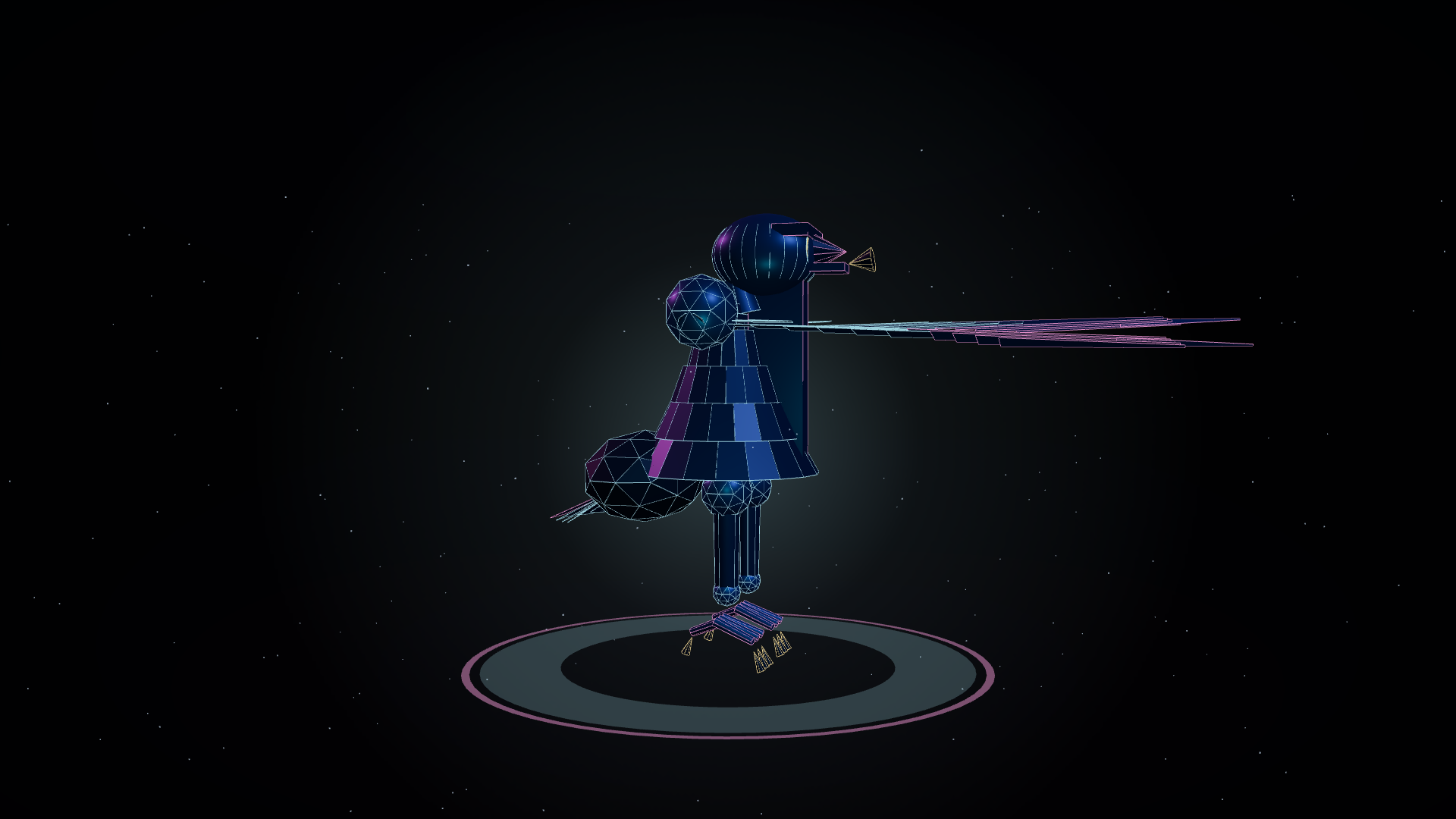
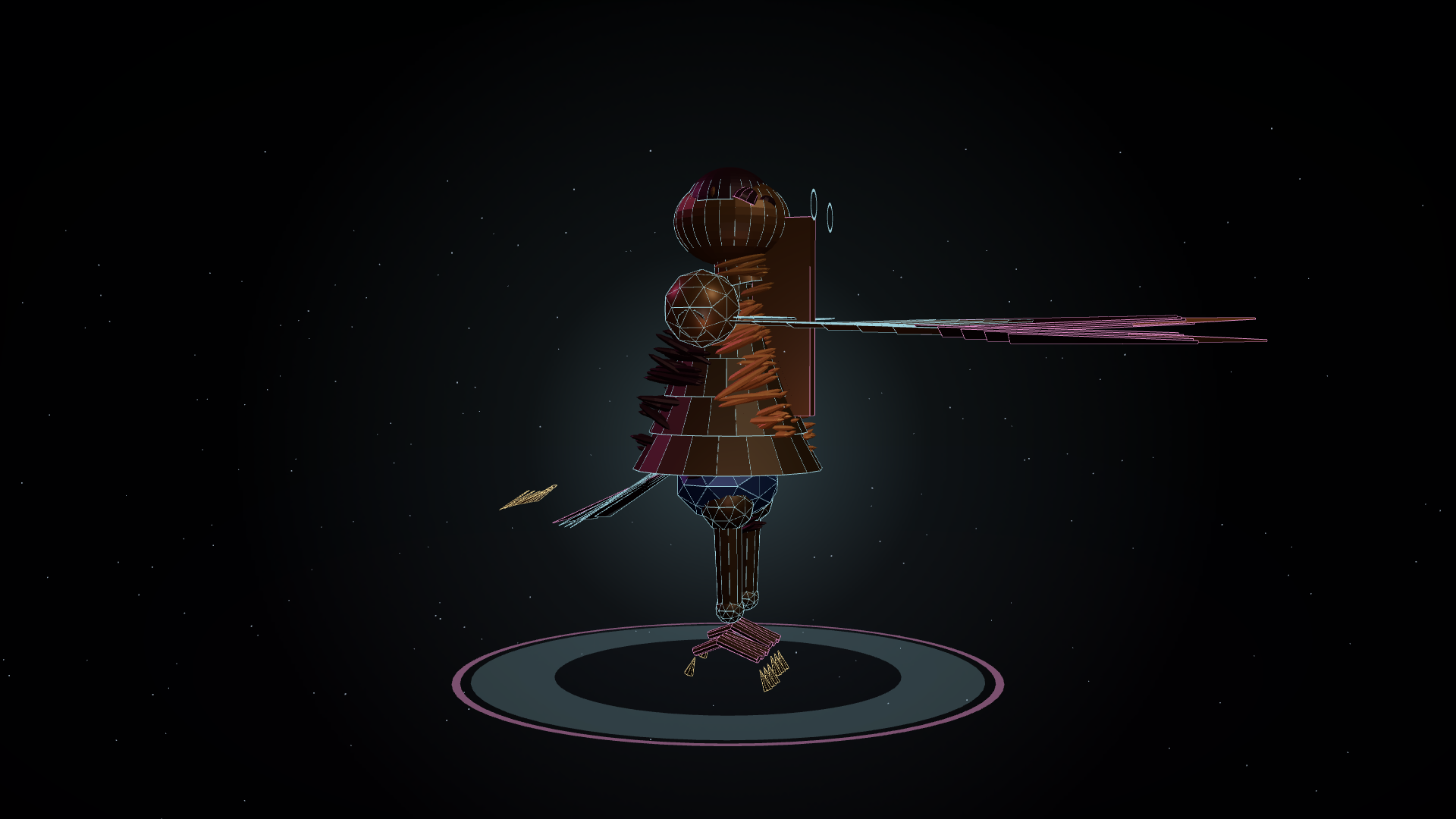
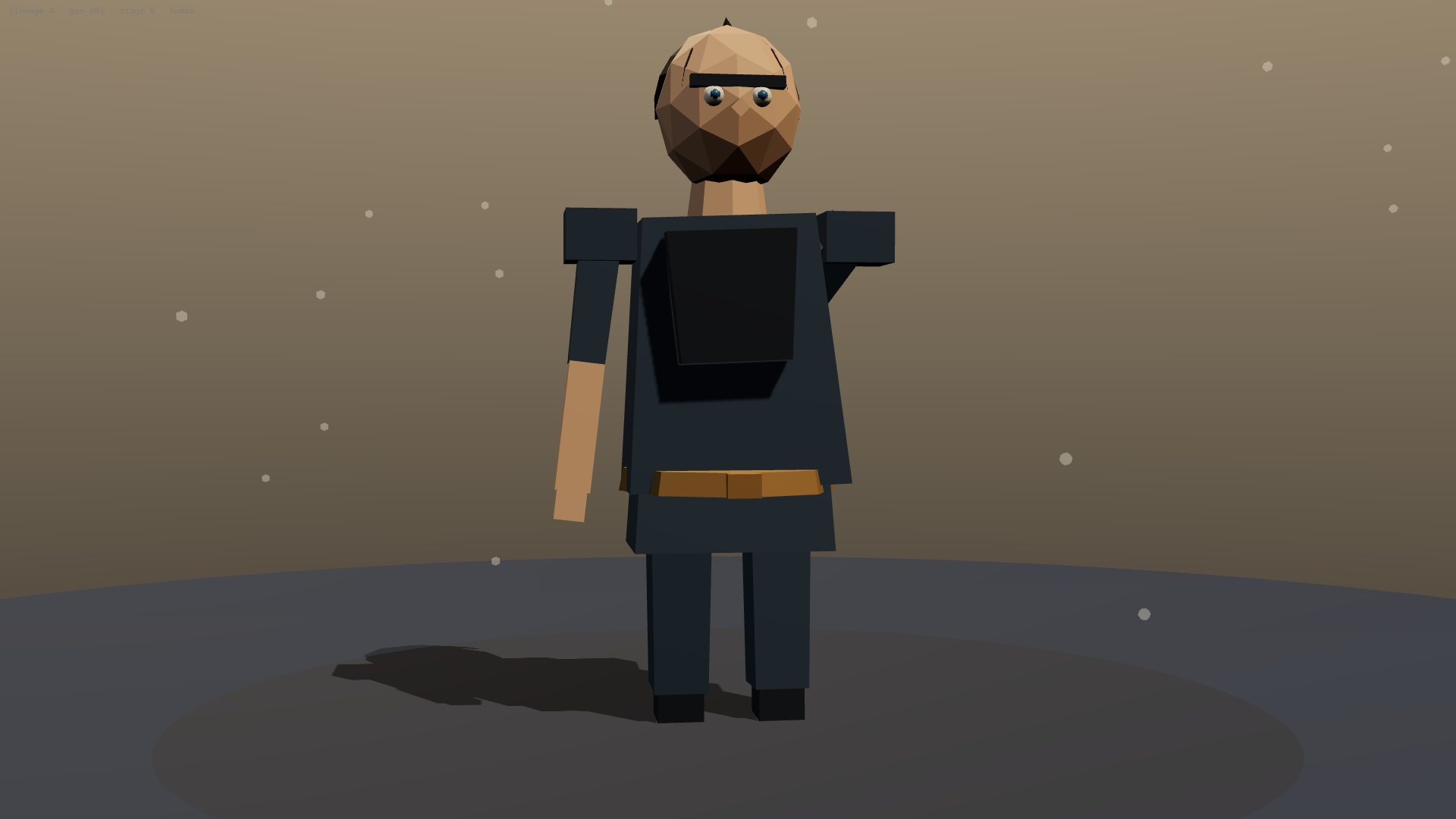
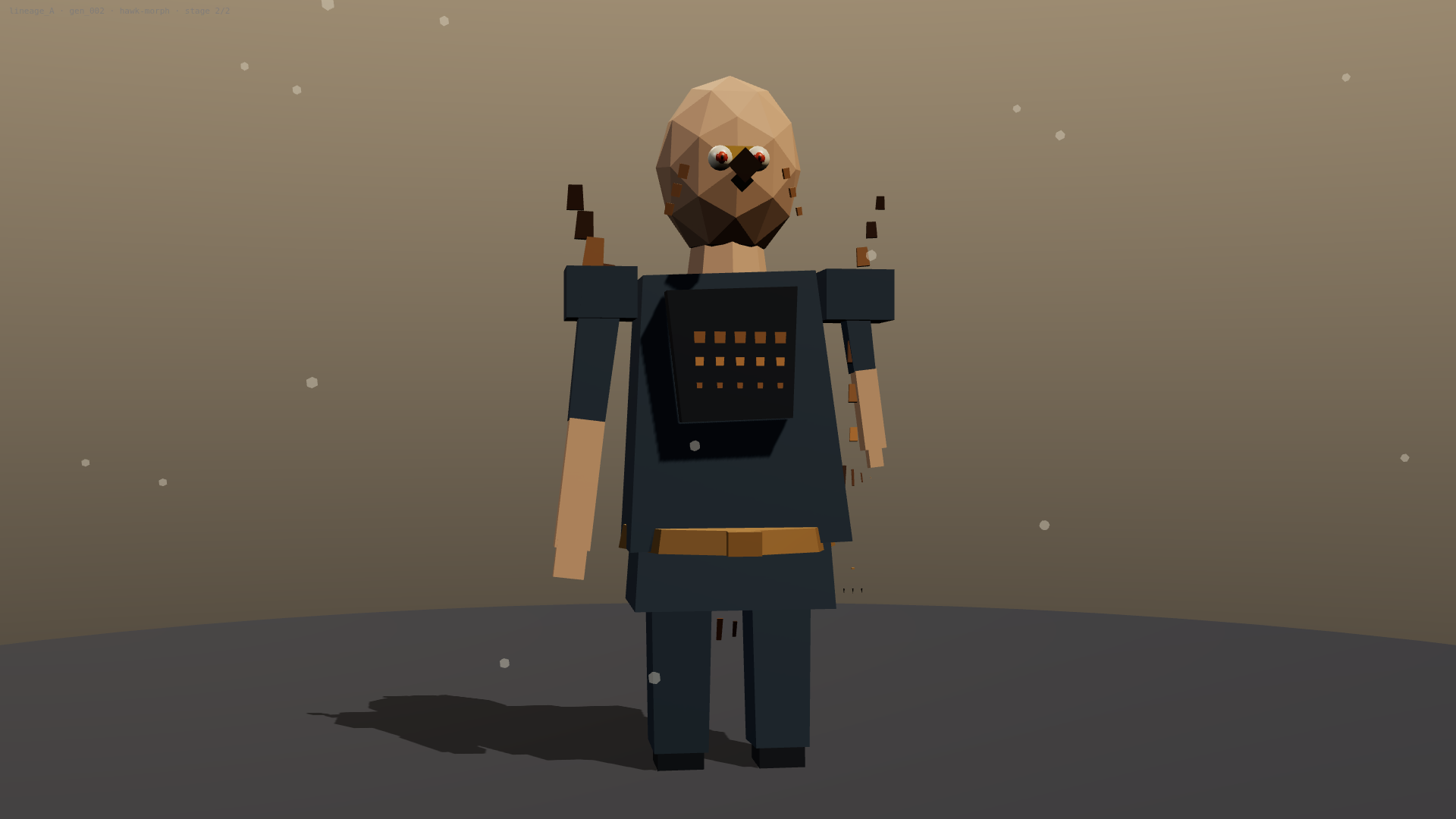
A Hermes Agent hands MiniMax-M3 the previous scene, its three rendered frames and the judges' critique, and asks for a rewrite that moves the morph one stage further and improves geometry, materials and lighting. Three lineages do this in parallel, each in its own art style. The model's code edits are the mutation.
02Render and judge
Each scene is a self-contained HTML file. A headless Chromium container renders it at 1920×1080, waits three seconds to settle and captures three frames a second apart, so motion can be judged too. Gemini 3.5 Flash-Lite and Qwen3.5-27B, both verified to actually see images on GMI, score six axes out of ten: silhouette, geometry, lighting, motion, morph continuity, morph pacing.
03Select and crossbreed
The panel's average picks a winner and eliminates the lowest lineage. M3 then merges the two survivors' code into a new scene that replaces the loser, so the next generation starts from the strongest material. A journal entry written by M3 records what to fix next. Black frames are a valid, scored result: generation 2's crossbreed failed to render and took a zero.